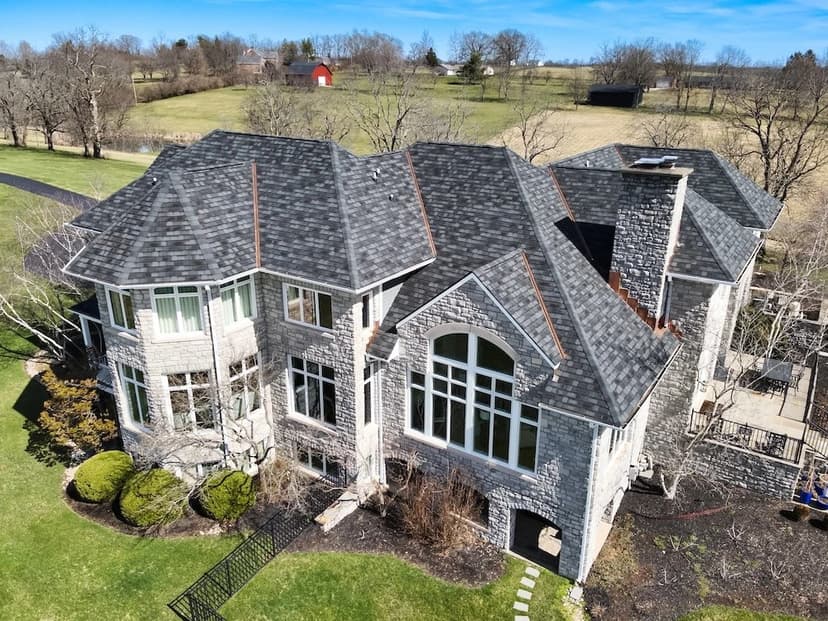
When you shop for a new roof, it is natural to focus on the shingles. Color, style, wind rating, and brand name are easy to compare side by side. But here is something every homeowner should know before signing a contract: the best shingles on the market will only perform as well as the crew that installs them.
A premium architectural shingle installed with poor nailing, weak flashing, or blocked ventilation can fail years before a basic shingle installed correctly. At Pinnacle Roofing, we tell homeowners across Central Kentucky the same thing every day. Roof workmanship matters just as much as shingle quality, and in many cases it matters more.
In this guide, we will walk through the parts of a roofing job that make or break your investment: trained installation, proper ventilation, flashing, underlayment, and cleanup. By the end, you will know exactly what to ask a roofing contractor and what a quality roof replacement should include.
Why Installation Is the Real Test of a Roof
Shingles are only one layer of a roofing system. A complete roof includes the roof deck, underlayment, ice and water protection, drip edge, starter strips, flashing, ventilation, ridge caps, and the fasteners that hold it all together. Each of these parts depends on the others. If one piece is installed incorrectly, water and heat find the weak spot.
That is why many roof leaks have nothing to do with the shingles themselves. Leaks commonly start at chimneys, skylights, valleys, plumbing vents, and wall intersections. These are all areas where installation skill, not shingle brand, decides whether the roof stays dry.
What Your Shingle Warranty Does and Does Not Cover
Many homeowners assume a 30 year or lifetime shingle warranty protects them from any roof problem. In reality, a standard manufacturer warranty generally covers defects in the shingles themselves. It typically does not cover damage caused by improper installation.
There is another catch. Shingle manufacturers publish detailed installation instructions, and installing shingles outside those instructions can reduce or void the material warranty. Mistakes like using the wrong number of nails, skipping the starter strip, or ignoring ventilation requirements can all put your coverage at risk.
Some manufacturers offer stronger system warranties that include workmanship coverage. These upgraded warranties are usually available only through contractors the manufacturer has trained and certified. In other words, even the shingle makers agree: the installer matters.
Pinnacle Roofing is a GAF Master Elite contractor, a certification held by fewer than 2 percent of roofing contractors in North America. That status allows us to offer GAF's enhanced warranty options, and it requires our crews to stay trained on current installation methods.
Trained Installation: The Details You Never See
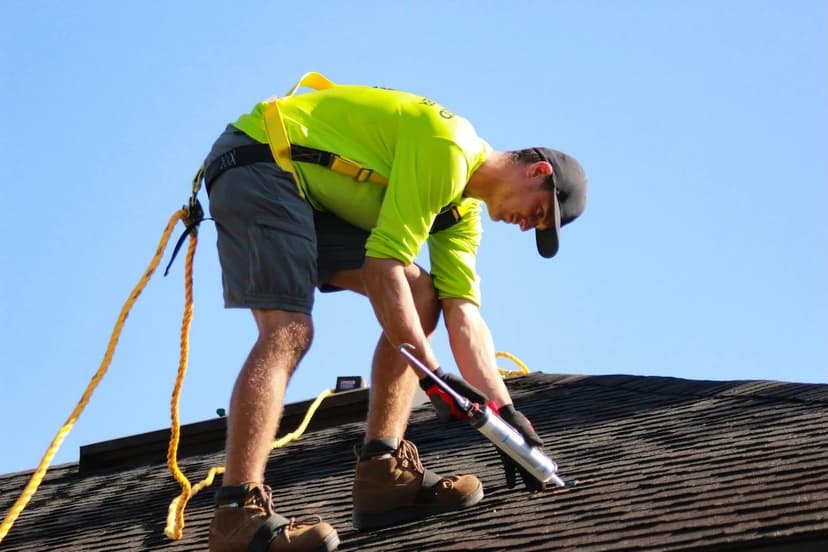
Once a roof is finished, most of the important work is hidden. You cannot see how the shingles were nailed, whether the starter course was installed, or how the underlayment was lapped. That is exactly why hiring a trained crew is so important. Here are a few installation details that separate a lasting roof from a problem roof.
Correct Nailing
Nail placement may be the single most important detail in shingle installation. Each manufacturer marks a specific nailing zone on its shingles. Nails placed too high can miss the layer underneath, which weakens wind resistance. Nails placed too low can be exposed to weather and invite leaks.
Nail count and depth matter too. Most shingles call for at least four nails per shingle, and many manufacturers require six in high wind areas or on steep slopes. Nails should sit flush with the shingle surface. An overdriven nail cuts into the shingle, and an underdriven nail can push up and tear through the shingle above it. Air nailers that are not adjusted properly cause both problems, which is why experienced crews check their equipment throughout the day.
Starter Strips and Drip Edge
The first row of shingles at the eaves and rakes takes a beating from wind and water. A proper starter strip seals down that first course so wind cannot lift the edges. Skipping it, or simply flipping a regular shingle upside down without following the manufacturer's method, is a common shortcut that leads to blow offs.
Drip edge is a metal edge installed along the eaves and rakes. It directs water away from the fascia and protects the edge of the roof deck from rot. Building codes in most areas now require drip edge on asphalt shingle roofs, yet it is still sometimes left off to save time.
Inspecting the Roof Deck
A good crew does not cover up problems. Once the old roof comes off, the wood decking should be inspected for rot, soft spots, and damage. Any compromised sheathing should be replaced before new materials go down. Installing new shingles over a weak deck is like building a house on a cracked foundation.
Proper Roof Ventilation: Protecting Your Shingles From the Inside
Roof ventilation is one of the most overlooked parts of a roof replacement, and one of the most important. Your attic needs to breathe. A balanced ventilation system pulls fresh air in through intake vents near the eaves, usually soffit vents, and lets warm, moist air escape through exhaust vents near the peak, such as ridge vents.
What Happens When Ventilation Is Wrong
Without enough airflow, heat builds up in the attic during summer. That trapped heat bakes shingles from underneath, which can speed up aging, cause curling and blistering, and shorten the life of your roof. It also makes your air conditioner work harder.
In colder months, poor ventilation traps moisture from everyday living, like cooking, showers, and laundry. That moisture can condense on the underside of the roof deck, leading to mold, wood rot, and damp insulation. In snowy climates, a warm attic can also contribute to ice dams, which force water back up under the shingles.
Kentucky homes face both problems. Hot, humid summers push attic temperatures up, and winters that swing above and below freezing create condensation and ice risk. In the Bluegrass and the Louisville area, good ventilation is a year round need, not a seasonal one.
Balance Matters More Than Adding Vents
More vents are not always better. A common mistake is mixing different types of exhaust vents on the same roof, like a ridge vent paired with box vents or a powered fan. This can cause one exhaust vent to pull air from another instead of drawing fresh air from the soffits, which short circuits the system.
Building codes set minimum ventilation amounts based on attic size. A widely used guideline calls for 1 square foot of net free vent area for every 150 square feet of attic floor, or 1 for every 300 under certain conditions, split between intake and exhaust. A trained roofer will calculate what your home needs and check that soffit vents are not blocked by insulation.
This is also a warranty issue. Most shingle manufacturers require adequate attic ventilation, and a roof that does not meet their requirements may not qualify for full warranty coverage.
Flashing: Where Most Roof Leaks Begin
Flashing is thin metal installed wherever the roof meets something else: a wall, a chimney, a skylight, a vent pipe, or another roof plane. Shingles alone cannot seal these transitions. Flashing directs water away from the joints and back onto the shingle surface where it belongs.
Because these areas are the most complicated parts of any roof, they are also where poor workmanship shows up first. Common flashing areas include:
Chimneys, which need base flashing plus counter flashing set into the masonry
Sidewalls, where step flashing should be woven in with each course of shingles
Valleys, where two roof slopes meet and channel large volumes of water
Skylights, which usually require a flashing kit made for that specific unit
Plumbing vents and exhaust pipes, which need properly sized pipe boots
Shortcuts to Watch For
One of the most common shortcuts is reusing old, rusted flashing to save time and money. Another is relying on roofing cement or caulk instead of installing proper metal flashing. Sealant has its place, but it breaks down under sun and temperature swings. When it cracks, water gets in.
Step flashing is another detail that separates skilled installers from the rest. Each piece should overlap the one below it and tuck under the siding or wall covering. A single long strip of metal, or flashing that is face nailed in the wrong spot, may look fine on day one but can leak within a few seasons.
A quality roofer will replace worn flashing during a roof replacement and use new pipe boots, since rubber boots typically break down well before the rest of the roof.
Underlayment and Ice Barrier: Your Roof's Second Line of Defense
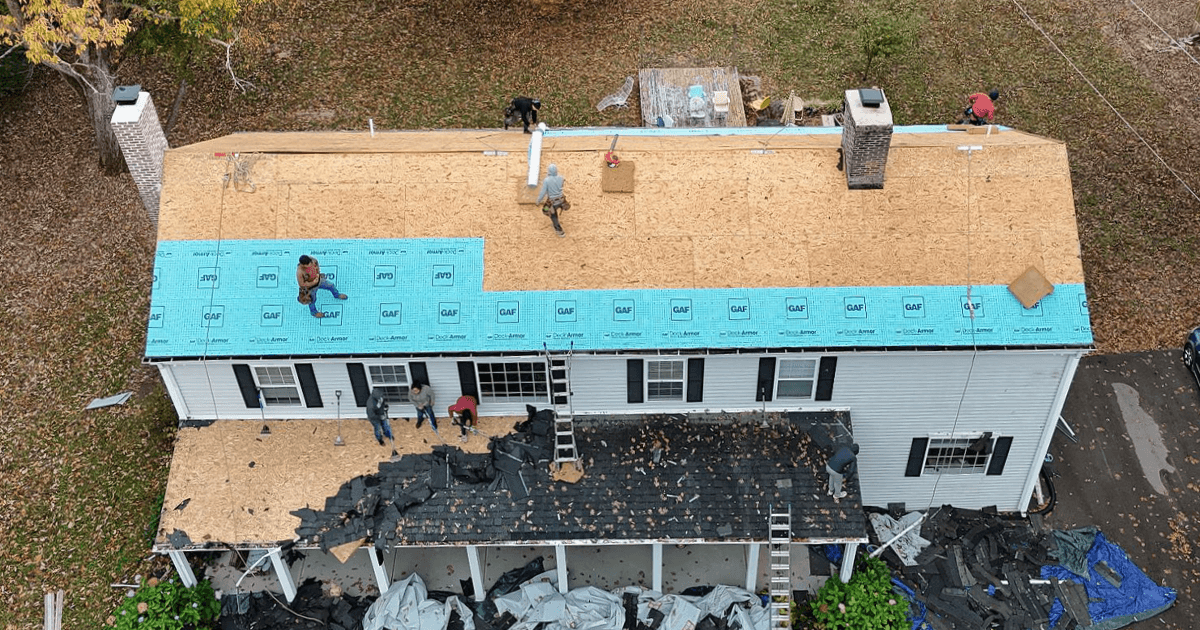
Underlayment is the layer installed directly over the roof deck, beneath the shingles. Think of it as a backup raincoat. Shingles shed most of the water, but wind driven rain, ice, and debris can push moisture past them. When that happens, the underlayment is what keeps water off the wood.
Felt vs. Synthetic Underlayment
Traditional felt underlayment has been used for decades, but many roofers now prefer synthetic underlayment. Synthetic products are typically lighter, stronger, more tear resistant, and better at handling exposure if weather delays the job. Either option can work when installed correctly, but the installation is what counts.
Underlayment needs to be laid in the right direction, with the correct overlaps at seams and edges, and fastened according to the manufacturer's instructions. Gaps, wrinkles, or reversed laps can channel water straight to the deck instead of away from it.
Ice and Water Shield in Vulnerable Areas
Ice and water shield is a self sealing membrane applied to the most leak prone parts of the roof. It sticks directly to the deck and seals around nails. In areas where ice dams are a concern, building codes generally require it along the eaves, extending from the edge of the roof to at least 24 inches inside the exterior wall line of the home.
Even in milder climates, many experienced roofers use ice and water shield in valleys, around chimneys, around skylights, and along low slope sections. These are the spots where water moves slowly or collects, and a little extra protection goes a long way.
In Central Kentucky, freeze and thaw cycles and heavy spring storms make these protections especially valuable. Water that gets past the shingles during a strong storm or a winter thaw has to stop somewhere, and the underlayment is where it should stop.
Cleanup: The Final Sign of Quality Workmanship
Cleanup might not seem like part of roof quality, but it says a lot about how a crew works. A roof tear off produces a large amount of debris, including old shingles, broken wood, staples, and thousands of nails. How that debris is handled affects your home, your yard, and your family's safety.
A professional roofing crew should:
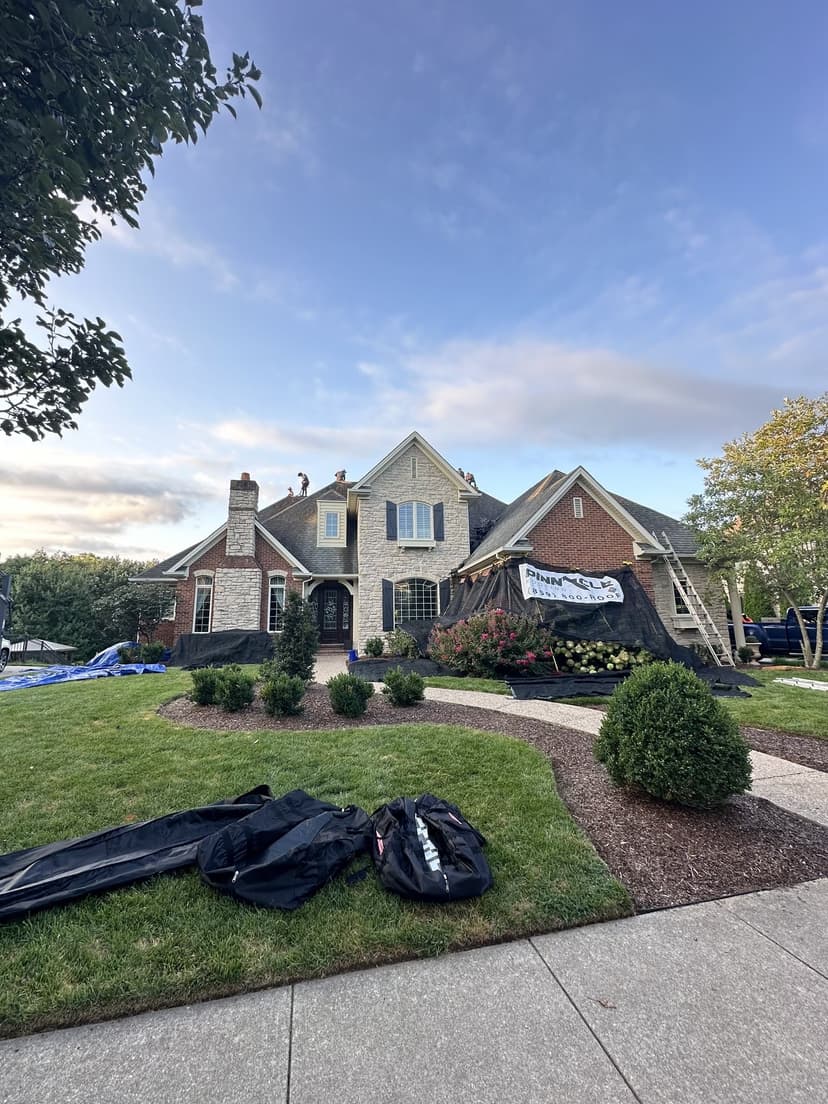
Protect landscaping, AC units, decks, and windows with tarps before work begins
Use a dumpster or trailer placed to avoid damage to your driveway and lawn
Clear gutters of shingle granules and debris once the roof is complete
Sweep the yard, driveway, and walkways with a magnetic roller to pick up stray nails
Do a final walkthrough with the homeowner before leaving the job
Loose roofing nails are a real hazard. They can puncture tires, injure pets, and hurt kids playing in the yard. A crew that takes cleanup seriously is usually a crew that takes the rest of the job seriously too. Attention to detail on the ground tends to match attention to detail on the roof.
Questions to Ask Before You Hire a Roofing Contractor
Because so much of a roof's quality is hidden once the job is done, the best time to evaluate workmanship is before you sign. Here are smart questions to ask any roofing company:
Are you licensed and insured, and can I see proof of both?
Are your installers trained or certified by the shingle manufacturer?
Will you follow the manufacturer's installation instructions, including nailing and starter strips?
Will you replace the flashing and pipe boots, or reuse the old ones?
What type of underlayment and ice and water shield will you use, and where?
Have you checked my attic ventilation, and does it meet code and manufacturer requirements?
How will you handle rotted or damaged decking if you find it?
What warranty do you offer on your workmanship, and for how long?
How will you protect my property and clean up when the job is finished?
A reputable roofer will answer these questions clearly and put the important details in writing. If a contractor brushes them off or the quote seems far lower than others, it is worth asking what is being left out.
The Pinnacle Roofing Approach: Premium Materials, Installed the Right Way
At Pinnacle Roofing, we believe you should never have to choose between great materials and great workmanship. Your roof needs both. As a veteran owned company with more than 10 years of experience in Central Kentucky, we hold ourselves to a higher standard on every job.
Here is what that looks like for your home:
GAF Master Elite certified crews who follow manufacturer specifications, from nailing patterns and starter courses to flashing and ventilation
A complimentary Lifetime Warranty upgrade on every new Premium Roof System we install
Full deck inspection, property protection, and cleanup included with every replacement
Licensed, bonded, and insured, with an A+ rating from the Better Business Bureau
With offices in Lexington, Richmond, Louisville, and Shelbyville, we serve homeowners across the Bluegrass and the Louisville metro, including Georgetown, Nicholasville, Versailles, Winchester, Berea, St. Matthews, Middletown, Jeffersontown, and Prospect.
A new roof is one of the largest investments you will make in your home. It should be installed to last. If you are planning a roof replacement or want an honest opinion on your current roof, request your free roof evaluation from Pinnacle Roofing today. Call our Lexington and Richmond team at (859) 800-7144 or our Louisville team at (502) 273-5110.
Frequently Asked Questions
Is installation really as important as the shingle brand?
Yes. Most major shingle brands make reliable products. The biggest difference in how long a roof lasts usually comes down to how it was installed, including nailing, flashing, ventilation, and underlayment.
Can bad installation void my shingle warranty?
It can. Manufacturer warranties generally require shingles to be installed according to the manufacturer's instructions. Improper installation or inadequate ventilation can reduce or void coverage.
How do I know if my roof has poor ventilation?
Warning signs include an unusually hot attic in summer, frost or moisture on the underside of the roof deck in winter, musty odors, curling or blistering shingles, and ice dams along the eaves.
Should old flashing be replaced during a roof replacement?
In most cases, yes. Old flashing may be rusted, bent, or poorly installed. Replacing it with the new roof costs far less than fixing a leak and water damage later.
What is the difference between a material warranty and a workmanship warranty?
A material warranty covers defects in the roofing products and comes from the manufacturer. A workmanship warranty covers installation errors and comes from the contractor or through an upgraded manufacturer system warranty.